
Biodiversity
Biodiversity refers to the extraordinary variety of life on Earth, encompassing the diversity of genes, species, ecosystems, and ecological processes that collectively sustain the functioning of the natural world. The term, derived from the combination of "biological" and "diversity," was popularized in the 1980s and has since become one of the most important concepts in ecology, conservation biology, and environmental science. Biodiversity exists at three fundamental levels — genetic diversity, which refers to the variation in genetic information within and between populations of the same species; species diversity, which measures the variety and abundance of different species within a given area; and ecosystem diversity, which encompasses the range of habitats, biological communities, and ecological processes found across the planet. Together, these three dimensions of biodiversity represent the full richness and complexity of life that has evolved on Earth over billions of years.The importance of biodiversity to human well-being and the health of the planet cannot be overstated. Biodiverse ecosystems provide a vast range of ecosystem services upon which human civilization depends, including clean air and water, fertile soils, climate regulation, pollination of crops, natural pest control, flood mitigation, and the cycling of essential nutrients. The world's forests, wetlands, coral reefs, grasslands, and oceans each harbor unique assemblages of species that perform irreplaceable ecological functions. Biodiversity also holds immense economic value as the foundation of agriculture, fisheries, forestry, and the pharmaceutical industry — a significant proportion of modern medicines are derived from wild plant, animal, and microbial species. Furthermore, biodiversity carries profound cultural, aesthetic, spiritual, and recreational value for human societies around the world, enriching human experience and inspiring art, literature, and philosophy across cultures and civilizations.Despite its critical importance, biodiversity is currently facing an unprecedented global crisis, with species extinction rates estimated to be between one hundred and one thousand times higher than natural background rates, primarily due to human activities. Habitat destruction and fragmentation driven by deforestation, agricultural expansion, urban development, and infrastructure construction represent the leading threats to biodiversity worldwide. Climate change is increasingly disrupting species distributions, phenology, and ecological interactions, pushing many species beyond their adaptive limits. Overexploitation of wildlife and natural resources, pollution, and the spread of invasive alien species further compound the pressure on biodiversity. International frameworks such as the Convention on Biological Diversity (CBD), the Aichi Biodiversity Targets, and the Kunming-Montreal Global Biodiversity Framework represent global efforts to halt and reverse biodiversity loss. Protected areas, wildlife corridors, ecosystem restoration, sustainable land use practices, and community-based conservation initiatives are among the most effective strategies for preserving biodiversity. As the global community increasingly recognizes that healthy biodiversity is not merely a conservation goal but a fundamental prerequisite for human survival and sustainable development, protecting the diversity of life on Earth has emerged as one of the most urgent moral and scientific imperatives of the 21st century.
Understand the variety of life forms on Earth, including genetic, species, and ecosystem diversity. Learn about conservation, threats to biodiversity, and ecological importance. This category emphasizes protecting natural resources and life balance.
Biodiversity - Part 1
Biodiversity - Part 2
Biodiversity - Part 3
Biodiversity - Part 4
Quiz Format & Structure
Each quiz is designed to comprehensively test your knowledge on the selected topic. Here's what you can expect:
Tips for Success
1. Read Questions Carefully
Take your time to read each question thoroughly. Since there's no time limit, make sure you understand what's being asked before selecting an answer.
2. Eliminate Wrong Options
If you're unsure, try eliminating options you know are incorrect. This increases your chances of selecting the right answer.
3. Don't Second-Guess Too Much
Your first instinct is often correct. While you should be careful, avoid changing answers unless you're certain you made a mistake.
4. Review Before Submitting
Before hitting submit, review all your answers to ensure you haven't accidentally skipped any questions or made careless mistakes.
5. Learn from Mistakes
After viewing your results, take time to understand why you got certain questions wrong. This helps improve future performance.
6. Take Multiple Attempts
Don't worry about getting everything right the first time. Taking quizzes multiple times helps reinforce your knowledge.
Explore More SubCategories Science
Explore more subcategories and test your knowledge!
Biology
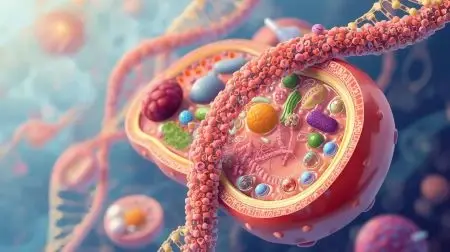
Biology is the scientific study of life and living organisms, examining their structure, function, growth, evolution, and distribution. It covers everything from microscopic bacteria to complex ecosystems. Core, interconnected fields include genetics, ecology, and cell biology, which help explain how organisms function, interact with their environment, and evolve over time.
Human Health Disease
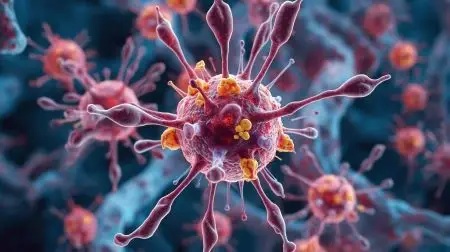
Understand common and major diseases affecting humans, including causes, symptoms, prevention, and treatment methods. Learn about infectious and non-infectious diseases, immunity, and healthcare practices. This category promotes awareness about maintaining good health and disease prevention.

Zoology
Study the scientific classification, anatomy, physiology, and behavior of animals. Learn about different animal groups, adaptations, and evolutionary patterns. This category deepens understanding of animal life and biodiversity.

Botany
Study plant structure, growth, reproduction, and classification. Learn about plant physiology, genetics, and ecological importance. This category deepens knowledge of plant life and its role in sustaining ecosystems.