Q1. Which of the following in an ecosystem is ABIOTIC?
Q2. Zoos and aquariums can help increase
wildlife populations through
Q3. ___ is the speed at which an ecosystem recovers to equilibrium after being disturbed.
Q4. Which is the MOST difficult to fossilize?
Q5. Which planet has a thick atmosphere
made up mostly of carbon dioxide
and a strong greenhouse effect?
Q6. Which natural resources do plants
need to make their own food? Choose all that apply
Q7. How does the amount of energy resulting from fermentation compare
with that of aerobic respiration?
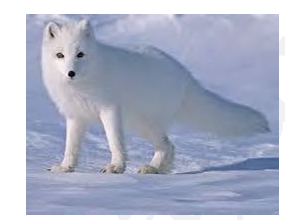
Q8. The picture shows an arctic fox. In
which biome does the fox most likely
live?
Q9. Individuals that are well adapted to
their environment will survive and
produce:
Q10. when a species is close to becoming
extinct
Q11. The factors in an ecoysystem that
have never had the ability to live.
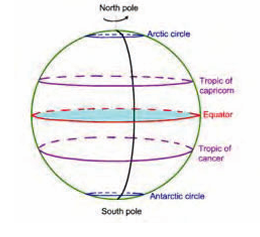
Q12. In general, as you move from the
equator to the poles, what happens
to biodiversity>
Q13. ?
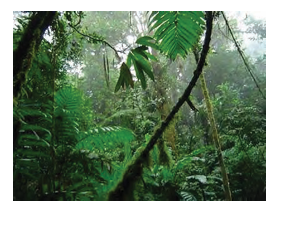
Q14. Ecosystems near the equator have
high biodiversity.
Q15. Dust, ash and pollen are examples of
this air pollutant
Q16. Water and food are examples of
___ for populations
Q17. The theory of evolution says that living things ___
Q18. Something found in nature that can
be used by people.
Q19. Which of the following is not a
megadiverse country?
Q20. Which term is used to describe what
happens when a species completely
disappears?
Q21. Species known to burrow in RI salt
marshes.
Q22. The diagram represents the role of
a plant in the carbon dioxide/oxygen
cycle. Letter X represents the plant
releasing -

Q23. The gradual change of organisms
within an area as a result of a major
disturbance
Q24. What makes an environment stable?
Q25. A change that a living thing goes
through so it fits in better with its
environment