Biology
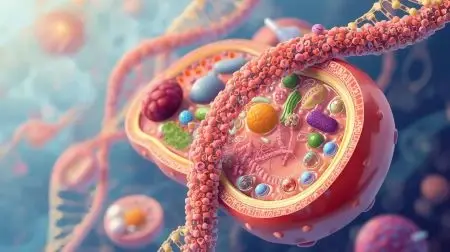
Biology is the branch of natural science that deals with the study of life and living organisms, including their structure, function, growth, evolution, distribution, and taxonomy. It seeks to understand the complex mechanisms that govern all forms of life — from the tiniest microorganisms to the largest mammals on Earth. Biology is broadly divided into several sub-disciplines, including botany, zoology, microbiology, genetics, ecology, and physiology, each exploring different aspects of the living world.At its core, biology investigates how cells — the basic units of life — function and interact to form tissues, organs, and complete organisms. It explores how living beings reproduce, adapt, and respond to their environment over time through the process of evolution. The study of genetics and DNA has revolutionized our understanding of heredity and disease, opening new doors in medical research and biotechnology. Biology plays a crucial role in advancing human health, agriculture, environmental conservation, and pharmaceutical development. It helps scientists develop life-saving medicines, vaccines, and treatments for deadly diseases. Modern biology also addresses global challenges such as climate change, biodiversity loss, and food security. Whether studying the behavior of ecosystems or the molecular structure of proteins, biology remains one of the most fascinating and essential fields of science that deepens our understanding of life itself.
Biology is the scientific study of life and living organisms, examining their structure, function, growth, evolution, and distribution. It covers everything from microscopic bacteria to complex ecosystems. Core, interconnected fields include genetics, ecology, and cell biology, which help explain how organisms function, interact with their environment, and evolve over time.
VIRUS And COVID - Part 1
VIRUS And COVID - Part 2
VIRUS And COVID - Part 3
VIRUS And COVID - Part 4
Quiz Format & Structure
Each quiz is designed to comprehensively test your knowledge on the selected topic. Here's what you can expect:
Tips for Success
1. Read Questions Carefully
Take your time to read each question thoroughly. Since there's no time limit, make sure you understand what's being asked before selecting an answer.
2. Eliminate Wrong Options
If you're unsure, try eliminating options you know are incorrect. This increases your chances of selecting the right answer.
3. Don't Second-Guess Too Much
Your first instinct is often correct. While you should be careful, avoid changing answers unless you're certain you made a mistake.
4. Review Before Submitting
Before hitting submit, review all your answers to ensure you haven't accidentally skipped any questions or made careless mistakes.
5. Learn from Mistakes
After viewing your results, take time to understand why you got certain questions wrong. This helps improve future performance.
6. Take Multiple Attempts
Don't worry about getting everything right the first time. Taking quizzes multiple times helps reinforce your knowledge.
Explore More SubCategories Science
Explore more subcategories and test your knowledge!
Botany
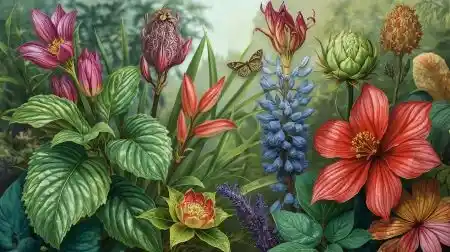
Study plant structure, growth, reproduction, and classification. Learn about plant physiology, genetics, and ecological importance. This category deepens knowledge of plant life and its role in sustaining ecosystems.
Human Health Disease
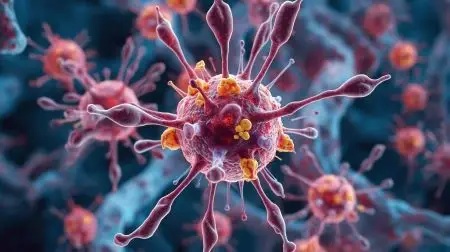
Understand common and major diseases affecting humans, including causes, symptoms, prevention, and treatment methods. Learn about infectious and non-infectious diseases, immunity, and healthcare practices. This category promotes awareness about maintaining good health and disease prevention.

Plant Kingdom
Explore the classification, structure, and life processes of plants. Learn about photosynthesis, reproduction, and plant adaptations. This category highlights the importance of plants in ecosystems and human survival.
Virus and Bacteria
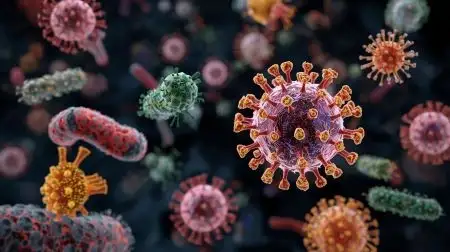
Understand the structure, reproduction, and differences between viruses and bacteria. Learn about infections, immunity, and disease prevention. This category explains microorganisms and their impact on human health.