
Plant Kingdom
Plant Kingdom encompasses all photosynthetic, multicellular, eukaryotic organisms that form the foundation of virtually every terrestrial and aquatic ecosystem on Earth. Scientifically classified under the kingdom Plantae, plants are an extraordinarily diverse group of living organisms ranging from microscopic mosses and delicate ferns to towering redwood trees and brilliantly colored flowering plants. With an estimated 390,000 known species and many more yet to be discovered, the plant kingdom represents one of the most species-rich and ecologically essential groups of organisms on the planet. Plants are unique among living organisms in their ability to manufacture their own food through the process of photosynthesis — converting sunlight, carbon dioxide, and water into glucose and oxygen — a process that forms the energetic foundation of nearly all food chains and is responsible for maintaining the oxygen-rich atmosphere that makes life on Earth possible. The plant kingdom is broadly classified into two major groups — non-vascular plants and vascular plants — based on the presence or absence of specialized tissue systems for conducting water and nutrients. Non-vascular plants, including mosses, liverworts, and hornworts, lack true roots, stems, and leaves and are typically found in moist environments. Vascular plants, which include the vast majority of plant species, possess specialized vascular tissues — xylem and phloem — that transport water, minerals, and organic nutrients throughout the plant body. Vascular plants are further divided into seedless vascular plants such as ferns and clubmosses, and seed-producing plants, which include gymnosperms (cone-bearing plants like pines and cycads) and angiosperms (flowering plants), the latter being the most diverse and evolutionarily successful group of plants on Earth, comprising over 80% of all known plant species. The plant kingdom is of immeasurable importance to human civilization and the natural world alike. Plants provide food, oxygen, medicine, timber, fiber, fuel, and countless other products that sustain human life and economic activity. Agriculture is entirely dependent on cultivated plant species, and the diversity of wild plant species provides the genetic resources necessary for developing new crop varieties. Many of the world's most important medicines — including aspirin, quinine, morphine, and numerous cancer-fighting compounds — are derived from plant species. Plants also play critical roles in regulating the global climate by absorbing carbon dioxide, preventing soil erosion through their root systems, maintaining the water cycle through transpiration, and providing habitat and food for millions of animal species. The study of plants, known as botany, continues to yield new discoveries of immense scientific, medical, and ecological value. However, rapid deforestation, habitat destruction, climate change, and the introduction of invasive species are threatening plant biodiversity at an alarming rate, making the conservation of the plant kingdom one of the most urgent environmental priorities of our time.
Explore the classification, structure, and life processes of plants. Learn about photosynthesis, reproduction, and plant adaptations. This category highlights the importance of plants in ecosystems and human survival.
Plant Kingdom - Part 1
Plant Kingdom - Part 2
Plant Kingdom - Part 3
Quiz Format & Structure
Each quiz is designed to comprehensively test your knowledge on the selected topic. Here's what you can expect:
Tips for Success
1. Read Questions Carefully
Take your time to read each question thoroughly. Since there's no time limit, make sure you understand what's being asked before selecting an answer.
2. Eliminate Wrong Options
If you're unsure, try eliminating options you know are incorrect. This increases your chances of selecting the right answer.
3. Don't Second-Guess Too Much
Your first instinct is often correct. While you should be careful, avoid changing answers unless you're certain you made a mistake.
4. Review Before Submitting
Before hitting submit, review all your answers to ensure you haven't accidentally skipped any questions or made careless mistakes.
5. Learn from Mistakes
After viewing your results, take time to understand why you got certain questions wrong. This helps improve future performance.
6. Take Multiple Attempts
Don't worry about getting everything right the first time. Taking quizzes multiple times helps reinforce your knowledge.
Explore More SubCategories Science
Explore more subcategories and test your knowledge!
Nervous System
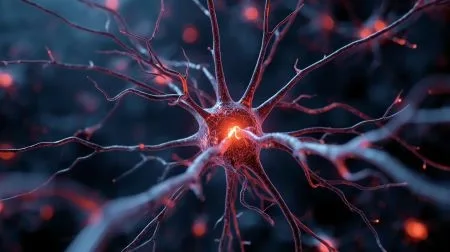
Study the structure and function of the brain, spinal cord, and nerves. Learn how signals are transmitted and how the body responds to stimuli. This category explains coordination, control, and communication within the human body.

Zoology
Study the scientific classification, anatomy, physiology, and behavior of animals. Learn about different animal groups, adaptations, and evolutionary patterns. This category deepens understanding of animal life and biodiversity.

Biodiversity
Understand the variety of life forms on Earth, including genetic, species, and ecosystem diversity. Learn about conservation, threats to biodiversity, and ecological importance. This category emphasizes protecting natural resources and life balance.

Animal Kingdom
Explore the fascinating world of animals, from microscopic organisms to complex mammals. Learn about classification, habitats, adaptations, food chains, and unique characteristics of different species. This category helps you understand biodiversity and the vital role animals play in maintaining ecological balance.