Nervous System
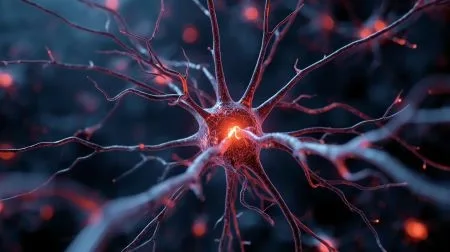
Nervous System is one of the most complex, sophisticated, and vital organ systems in the human body, responsible for receiving, processing, integrating, and transmitting information between different parts of the body, enabling coordinated responses to both internal and external stimuli. It serves as the body's master control and communication network, regulating virtually every physiological process — from heartbeat, breathing, and digestion to thought, emotion, memory, movement, and sensory perception. Without the nervous system, the body would be incapable of responding to its environment, maintaining homeostasis, or coordinating the activities of its organ systems, making it absolutely indispensable for survival, cognition, and behavior. The human nervous system is structurally divided into two major components — the Central Nervous System (CNS) and the Peripheral Nervous System (PNS). The Central Nervous System consists of the brain and the spinal cord, which together serve as the primary processing and command centers of the body. The brain, housed within the skull, is divided into the cerebrum, cerebellum, and brainstem, each responsible for distinct functions. The cerebrum governs higher cognitive functions such as thinking, reasoning, language, voluntary movement, and sensory processing. The cerebellum coordinates balance and fine motor control, while the brainstem regulates vital autonomic functions including respiration, heart rate, and digestion. The spinal cord serves as the main communication highway between the brain and the rest of the body, transmitting sensory and motor signals through reflex arcs and ascending and descending neural pathways. The Peripheral Nervous System includes all nerve fibers outside the CNS, connecting the brain and spinal cord to the muscles, organs, skin, and sensory receptors throughout the body. It is further divided into the somatic nervous system, which controls voluntary movements and transmits sensory information, and the autonomic nervous system, which regulates involuntary physiological processes. The autonomic nervous system is subdivided into the sympathetic nervous system — which activates the body's "fight or flight" response in stressful situations — and the parasympathetic nervous system — which promotes rest, digestion, and recovery. The basic functional unit of the nervous system is the neuron, a specialized cell that transmits electrical and chemical signals across synapses using neurotransmitters such as dopamine, serotonin, acetylcholine, and norepinephrine. Disorders of the nervous system, including Alzheimer's disease, Parkinson's disease, multiple sclerosis, epilepsy, stroke, and spinal cord injuries, represent some of the most debilitating and challenging medical conditions known to science. Advances in neuroscience, neuroimaging, and neuroprosthetics are continuously expanding our understanding of the nervous system and opening new frontiers in the treatment of neurological and psychiatric disorders, making it one of the most exciting and rapidly evolving fields of biomedical research today.
Study the structure and function of the brain, spinal cord, and nerves. Learn how signals are transmitted and how the body responds to stimuli. This category explains coordination, control, and communication within the human body.
Nervous System - Part 1
Nervous System - Part 2
Nervous System - Part 3
Quiz Format & Structure
Each quiz is designed to comprehensively test your knowledge on the selected topic. Here's what you can expect:
Tips for Success
1. Read Questions Carefully
Take your time to read each question thoroughly. Since there's no time limit, make sure you understand what's being asked before selecting an answer.
2. Eliminate Wrong Options
If you're unsure, try eliminating options you know are incorrect. This increases your chances of selecting the right answer.
3. Don't Second-Guess Too Much
Your first instinct is often correct. While you should be careful, avoid changing answers unless you're certain you made a mistake.
4. Review Before Submitting
Before hitting submit, review all your answers to ensure you haven't accidentally skipped any questions or made careless mistakes.
5. Learn from Mistakes
After viewing your results, take time to understand why you got certain questions wrong. This helps improve future performance.
6. Take Multiple Attempts
Don't worry about getting everything right the first time. Taking quizzes multiple times helps reinforce your knowledge.
Explore More SubCategories Science
Explore more subcategories and test your knowledge!

Plant Kingdom
Explore the classification, structure, and life processes of plants. Learn about photosynthesis, reproduction, and plant adaptations. This category highlights the importance of plants in ecosystems and human survival.
Biophysics
Understand the application of physics principles to biological systems. Learn about molecular structures, energy transfer, biomechanics, and medical imaging. This category bridges physics and biology to explain life processes scientifically.

Botany
Study plant structure, growth, reproduction, and classification. Learn about plant physiology, genetics, and ecological importance. This category deepens knowledge of plant life and its role in sustaining ecosystems.
Virus and Bacteria
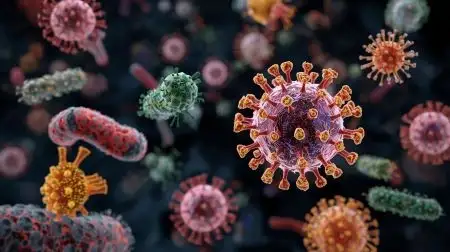
Understand the structure, reproduction, and differences between viruses and bacteria. Learn about infections, immunity, and disease prevention. This category explains microorganisms and their impact on human health.