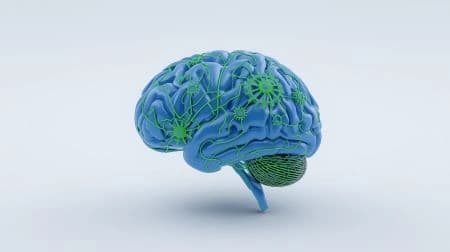
Reasoning(GU)
Reasoning refers to the systematic and logical process of thinking, analyzing, inferring, and drawing conclusions from given information, patterns, or premises, forming one of the most essential cognitive abilities tested in competitive examinations, academic assessments, and professional selection processes across India. In the context of Gujarati-medium education and competitive examinations conducted in the Gujarati language — including the Gujarat Public Service Commission (GPSC) examinations, the Gujarat Secondary and Higher Secondary Education Board assessments, various state-level recruitment tests, and talati-mantri examinations — reasoning forms a critical component that evaluates candidates' mental aptitude, problem-solving capabilities, and logical thinking skills independent of subject-specific academic knowledge. Reasoning ability is universally recognized as a reliable indicator of an individual's capacity to process information efficiently, identify patterns, make sound judgments, and tackle novel problems across diverse domains of life and professional practice.Reasoning as an academic subject is broadly divided into two major categories — Verbal Reasoning and Non-Verbal Reasoning — each assessing different dimensions of cognitive ability. Verbal Reasoning involves logical thinking applied to language-based problems and includes topics such as analogies, classification, series completion, coding-decoding, blood relations, direction sense, ranking and arrangement, syllogisms, logical venn diagrams, statement and conclusions, statement and assumptions, cause and effect, and input-output problems. These topics test a candidate's ability to analyze verbal information, identify logical relationships between words and concepts, and draw valid inferences from given statements. Non-Verbal Reasoning operates independently of language and involves the identification of patterns, relationships, and rules in visual and spatial information through topics such as series completion of figures, mirror and water images, paper folding and cutting, embedded figures, cube and dice problems, and matrix reasoning. Numerical and mathematical reasoning topics including number series, data interpretation, simplification, ratio and proportion, percentage, profit and loss, time and work, and simple and compound interest form another important component of reasoning assessments. In the Gujarati language context, reasoning materials and study resources are specifically designed and presented in Gujarati to cater to students who have studied in Gujarati-medium schools and are more comfortable engaging with logical problems in their native language. The Gujarati-medium competitive examination ecosystem — spanning GPSC Class 1 and 2 examinations, GSSSB (Gujarat Subordinate Service Selection Board) recruitment, GSET (Gujarat State Eligibility Test) for college lecturers, and various other state government service examinations — places significant emphasis on reasoning ability as a measure of candidates' mental aptitude and problem-solving capability. Effective preparation for reasoning in the Gujarati language requires consistent practice, thorough understanding of problem-solving strategies for each topic category, development of mental calculation speed, and regular timed mock tests to build examination temperament. Strong reasoning skills not only improve performance in competitive examinations but also enhance decision-making, critical thinking, and analytical problem-solving abilities in everyday personal and professional life, making the study of reasoning one of the most valuable and universally applicable intellectual investments a student can make in their academic and career journey.
આ વિભાગમાં તાર્કિક વિચારશક્તિ, રક્તસંબંધ, દિશા, ક્રમ, અનુમાન, અને માનસિક ક્ષમતાના પ્રશ્નોનો સમાવેશ થાય છે. સ્પર્ધાત્મક પરીક્ષાઓ માટે તર્કશક્તિ અને ઝડપી વિચારવાની ક્ષમતા વિકસાવવામાં મદદરૂપ.
Quiz Format & Structure
Each quiz is designed to comprehensively test your knowledge on the selected topic. Here's what you can expect:
⚠️
All Questions Mandatory
You must answer all questions before submitting - no question can be left blank
📋
Question Types
All questions are multiple choice with 4 options (A, B, C, D) where only one answer is correct
🔢
Quiz Length
Quizzes typically contain 10-25 questions depending on the category and difficulty
💯
Equal Weightage
Each question carries equal marks for fair assessment of your knowledge
🔄
Review Option
Review all your answers before final submission to catch any mistakes
🔒
Question Locked
cannot change or select another option after selection
Tips for Success
1. Read Questions Carefully
Take your time to read each question thoroughly. Since there's no time limit, make sure you understand what's being asked before selecting an answer.
2. Eliminate Wrong Options
If you're unsure, try eliminating options you know are incorrect. This increases your chances of selecting the right answer.
3. Don't Second-Guess Too Much
Your first instinct is often correct. While you should be careful, avoid changing answers unless you're certain you made a mistake.
4. Review Before Submitting
Before hitting submit, review all your answers to ensure you haven't accidentally skipped any questions or made careless mistakes.
5. Learn from Mistakes
After viewing your results, take time to understand why you got certain questions wrong. This helps improve future performance.
6. Take Multiple Attempts
Don't worry about getting everything right the first time. Taking quizzes multiple times helps reinforce your knowledge.
Explore More SubCategories Competitive exams
Explore more subcategories and test your knowledge!

Law(GU)
આ વિભાગમાં કાયદાના મૂળભૂત સિદ્ધાંતો, ભારતીય દંડ સંહિતા, નાગરિક કાયદા, બંધારણીય અધિકારો અને કાનૂની પ્રક્રિયાઓ વિશે માહિતી આપવામાં આવે છે. સ્પર્ધાત્મક પરીક્ષાઓ અને સામાન્ય કાનૂની જ્ઞાન માટે ઉપયોગી વિષય.
Start Quiz
English Grammar
Learn the fundamental rules of English grammar, including tenses, parts of speech, sentence structure, voice, narration, and punctuation. This category helps improve writing accuracy, communication skills, and performance in academic and competitive exams.
Start Quiz

Science(GU)
આ વિભાગમાં ભૌતિક વિજ્ઞાન, રસાયણ વિજ્ઞાન અને જીવવિજ્ઞાનના મૂળભૂત સિદ્ધાંતો સમજાવવામાં આવે છે. દૈનિક જીવનમાં વિજ્ઞાનનો ઉપયોગ, પ્રયોગો અને કુદરતી ઘટનાઓ વિશે માહિતી આપવામાં આવે છે.
Start Quiz

Geography of India(GU)
ભારતના ભૂગોળ વિશે માહિતી જેમ કે નદીઓ, પર્વતો, હવામાન, કુદરતી સંસાધનો, રાજ્યો અને કૃષિ વિષયક માહિતી આ વિભાગમાં સમાવાય છે. ભારતના ભૌગોલિક વૈવિધ્યને સમજવા માટે મહત્વપૂર્ણ.
Start Quiz