
Law(GU)
Law એ એક અત્યંત વ્યાપક અને મહત્વપૂર્ણ વિષય છે જે સમાજમાં વ્યવસ્થા, ન્યાય, અને નૈતિકતા સ્થાપિત કરવા માટે બનાવેલા નિયમો, સિદ્ધાંતો, અને કાયદાઓના અભ્યાસ સાથે સંબંધિત છે. Law is the comprehensive and systematic body of rules, regulations, principles, and norms established and enforced by governing authorities to regulate human conduct, resolve disputes, protect individual rights, and maintain social order within a society or state. Derived from the Latin term "lex" meaning rule or regulation, law permeates every aspect of human social, political, economic, and cultural life, providing the foundational framework within which individuals, organizations, and governments interact and coexist. The study of law in the Gujarati language context is particularly significant for students, legal professionals, judicial officers, and citizens of Gujarat who seek to understand legal principles, constitutional rights, judicial processes, and statutory provisions within their own linguistic and cultural framework, making legal knowledge more accessible and practically applicable for Gujarati-speaking communities across India. The Indian legal system, which forms the primary context for the study of law in the Gujarati language, is one of the oldest and most comprehensive legal systems in the world, rooted in a rich tradition of ancient legal texts such as the Manusmriti and Arthashastra, transformed by centuries of Mughal and British colonial legal influence, and ultimately shaped into a modern constitutional democracy through the adoption of the Constitution of India in 1950. The Constitution of India, drafted under the chairmanship of Dr. B.R. Ambedkar, is the supreme law of the land, establishing the framework of governance, distributing powers between the Union and State governments, and guaranteeing a comprehensive set of Fundamental Rights — including the right to equality, freedom of speech and expression, protection against exploitation, freedom of religion, cultural and educational rights, and constitutional remedies — to all citizens. The Indian legal system encompasses multiple branches of law including constitutional law, criminal law, civil law, family law, property law, contract law, labour law, administrative law, and commercial law, each governing distinct aspects of human legal relationships and social organization. The study of law in the Gujarati language covers essential legal concepts, statutory provisions, and judicial principles that are directly relevant to the lives of Gujarati-speaking citizens and legal practitioners. Key legislative enactments that form the core of legal studies include the Indian Penal Code (IPC), the Code of Criminal Procedure (CrPC), the Code of Civil Procedure (CPC), the Indian Evidence Act, the Indian Contract Act, the Transfer of Property Act, the Hindu Marriage Act, the Negotiable Instruments Act, and numerous state-specific laws applicable within Gujarat. The Gujarat High Court, established in 1960 following the bifurcation of the former Bombay State, serves as the highest judicial authority in the state, supervising the administration of justice across Gujarat's district and subordinate courts. Legal education in Gujarat is provided by several prestigious law colleges and universities, including the Gujarat National Law University (GNLU) in Gandhinagar, which has emerged as one of India's premier legal education institutions. The Lok Adalat system, legal aid clinics, and alternative dispute resolution mechanisms play important roles in providing accessible justice to the people of Gujarat. Understanding law in one's native language empowers citizens to know and assert their legal rights, participate more effectively in democratic processes, access legal remedies when needed, and contribute to the building of a just, equitable, and rights-respecting society governed by the rule of law.
આ વિભાગમાં કાયદાના મૂળભૂત સિદ્ધાંતો, ભારતીય દંડ સંહિતા, નાગરિક કાયદા, બંધારણીય અધિકારો અને કાનૂની પ્રક્રિયાઓ વિશે માહિતી આપવામાં આવે છે. સ્પર્ધાત્મક પરીક્ષાઓ અને સામાન્ય કાનૂની જ્ઞાન માટે ઉપયોગી વિષય.
Quiz Format & Structure
Each quiz is designed to comprehensively test your knowledge on the selected topic. Here's what you can expect:
⚠️
All Questions Mandatory
You must answer all questions before submitting - no question can be left blank
📋
Question Types
All questions are multiple choice with 4 options (A, B, C, D) where only one answer is correct
🔢
Quiz Length
Quizzes typically contain 10-25 questions depending on the category and difficulty
💯
Equal Weightage
Each question carries equal marks for fair assessment of your knowledge
🔄
Review Option
Review all your answers before final submission to catch any mistakes
🔒
Question Locked
cannot change or select another option after selection
Tips for Success
1. Read Questions Carefully
Take your time to read each question thoroughly. Since there's no time limit, make sure you understand what's being asked before selecting an answer.
2. Eliminate Wrong Options
If you're unsure, try eliminating options you know are incorrect. This increases your chances of selecting the right answer.
3. Don't Second-Guess Too Much
Your first instinct is often correct. While you should be careful, avoid changing answers unless you're certain you made a mistake.
4. Review Before Submitting
Before hitting submit, review all your answers to ensure you haven't accidentally skipped any questions or made careless mistakes.
5. Learn from Mistakes
After viewing your results, take time to understand why you got certain questions wrong. This helps improve future performance.
6. Take Multiple Attempts
Don't worry about getting everything right the first time. Taking quizzes multiple times helps reinforce your knowledge.
Explore More SubCategories Competitive exams
Explore more subcategories and test your knowledge!
English Grammar
Learn the fundamental rules of English grammar, including tenses, parts of speech, sentence structure, voice, narration, and punctuation. This category helps improve writing accuracy, communication skills, and performance in academic and competitive exams.
Start Quiz
Geography of India(GU)
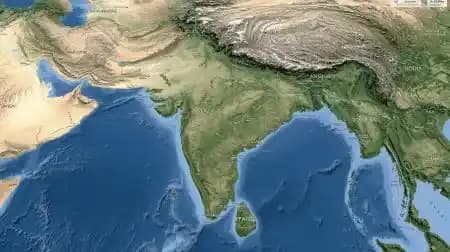
ભારતના ભૂગોળ વિશે માહિતી જેમ કે નદીઓ, પર્વતો, હવામાન, કુદરતી સંસાધનો, રાજ્યો અને કૃષિ વિષયક માહિતી આ વિભાગમાં સમાવાય છે. ભારતના ભૌગોલિક વૈવિધ્યને સમજવા માટે મહત્વપૂર્ણ.
Start Quiz

Reasoning(GU)
આ વિભાગમાં તાર્કિક વિચારશક્તિ, રક્તસંબંધ, દિશા, ક્રમ, અનુમાન, અને માનસિક ક્ષમતાના પ્રશ્નોનો સમાવેશ થાય છે. સ્પર્ધાત્મક પરીક્ષાઓ માટે તર્કશક્તિ અને ઝડપી વિચારવાની ક્ષમતા વિકસાવવામાં મદદરૂપ.
Start Quiz

Science(GU)
આ વિભાગમાં ભૌતિક વિજ્ઞાન, રસાયણ વિજ્ઞાન અને જીવવિજ્ઞાનના મૂળભૂત સિદ્ધાંતો સમજાવવામાં આવે છે. દૈનિક જીવનમાં વિજ્ઞાનનો ઉપયોગ, પ્રયોગો અને કુદરતી ઘટનાઓ વિશે માહિતી આપવામાં આવે છે.
Start Quiz