Q1. Food, water, sunlight, air, soil are resources that are often
Q2. A close interaction between tow or more different species is known as
Q3. Why does it take less time for secondary succession to occur?
Q5. A rock or boulder is considered
Q7. A(n)___ is an unusually high water state in which water overflows its natural or artificial banks.
Q8. Human beings are animals that eat both vegetation (plants) and meat (flesh). Using this information, which category do we best fit into?
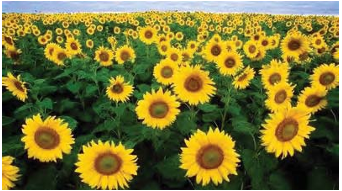
Q9. These flowers are an example of a
Q10. The lion hunting and eating an antelope is an example of:
Q11. which is NOT an autotroph
Q12. How do lichens contribute to primary succession?
Q13. Which of the following is not true about populations in ecology?
Q14. An Oak tree is an example of
Q15. An organism that makes its own food is called a/an
Q16. What is an "ecosystem"?
Q17. Which organism is likely to be at the beginning of a food chain for a pond?
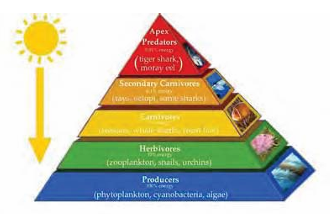
Q18. This trophic pyramid most shows
Q19. Carbon Dioxide is the primary source of greenhouse gases and driver of climate change.
Q20. What will a graph look like when death rate equals birth rate?
Q21. A diagram that shows all possible paths of energy flow is a
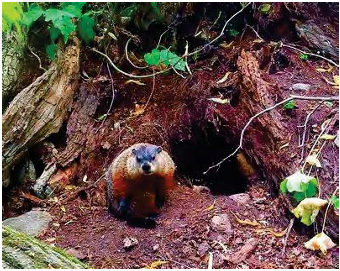
Q23. Skunks often live in burrows that have been dug and abandoned by wood chucks.
Q24. Which level of organization includes all of the other levels?
Q25. Whichspeciestendtogoextinctmore frequently?
