Q1. Ginger is stem and not a root because
Q2. The word taxonomy is derived from ___ words.
Q3. Which part of the plant is where photosynthesis takes place?
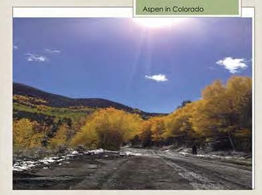
Q4. The aspen in Colorado was an example of
Q5. What is the name of this flower and family

Q6. What is needed for photosynthesis to h occur?
Q7. Celluose is a polymer of molecules of the sugar
Q8. What is the energy organelle?
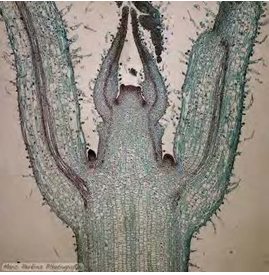
Q9. Identify the marked structure above.

Q10. Where do the dark reactions take place?
Q11. horsertails contain this compound that makes them useful for scouring
Q12. What are the two red dots?
Q13. This swedish botanist came up with n binomial nomenclature.
Q14. Enzymes ___ isrequired to develop ion carrier complex.
Q15. Which part of a plant transports water and minerals to the different parts of a plant?
Q16. The genotype of a plant showing the dominant phenotype can be determined by
Q17. What term describes observing the arrangements of leaves?
Q18. type of microscope we use most often in our lab
Q19. How do we call the waxy layer that covers the surface of leaves?
Q20. How will water make its way to the leaves?
Q21. The other name for numerical chromosomal aberration
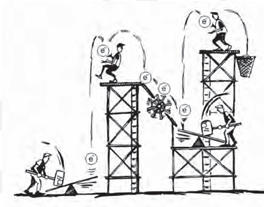
Q22. In Non-Cyclic Electron Flow, which photosystem donates the electrons to the ETC, and ultimately NADPH?
Q23. It is the point of attachment of a leaf or leaves on the stem.
Q24. Plant with tube-like structures that move minerals, water, and other substances throughout the plant.
Q25. Which of these measures can be used to present an average for data?