Select Category
All Categories
Accounting
Agriculture
Astrobiology
Banking & Finance
Business World
Civilizations
Commerce & Economics
Competitive exams
Computer Science & IT
Current affairs
Earth Science
Education
Environment
Explore the Animal World
Food chain
General Knowledge
Geography Map
Green Life
History
Human Health
Journalism
Law
Science
Social Science
TAX
About Us
Contact Us
Login
History of Europe - Part 1
1
of
25
💡
Hints:
3
Q1. Which of the following nations was represented by Marianne , a female allegory?
A. Germany
B. France
C. Austria
D. England
Q2. Why do most Europeans learn more than one language?
A. they don’t
B. everyone enjoys learning more
C. countries are close together and it helps with communication
D. it is the law of the European Union
Q3. True or False: One third of the world’s coal reserves are found in Siberia.
A. TRUE
B. FALSE
Q4. The monarch is the head of state and the prime minister is the head of gov ernment in this country
×
A. Germany
B. Sweden
C. Spain
D. United Kingdom
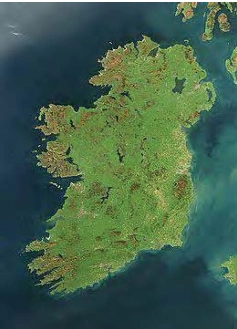
Q5. Ireland is part of the European Union since when?
×
A. 1997
B. 2001
C. 1993
D. 2015
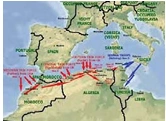
Q6. The US, British, & Canadians would invade North Africa from the west in an invasion called
×
A. Operation Overlord
B. Operation Torch
C. Operation Husky
D. Operation Avalanche
Q7. Germany had to what?
A. pay for war
B. become a republic
C. build factories
D. all above
Q8. What nation is ruled from the Kremlin in Moscow?
×
A. Czech Republic
B. Poland
C. Russia
D. Ukraine
Q9. If the literacy rate of a country is high, is the standard of living generally high or low?
A. Low
B. High
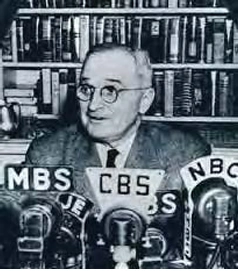
Q10. President Truman adopted a new for eign policy during the Cold War know as the Truman Doctrine. What was the main goal of the Truman Doc trine?
×
A. To expand trade with Europe
B. To limit the build up of nuclear weapons
C. To stop the spread of communism
D. to send financial aid to Europe
Q11. Romania
A. Bratislav
B. Brussels
C. Budapest
D. Bucharest
Q12. How is the Russian Prime Minister selected?
A. By a vote of the citizens
B. By a vote of the State Duma
C. By appointment of the Federal As sembly
D. By appointment of the president,
Q13. Which best describes the rights of the citizens in Germany, Russia, and the United Kingdom?
A. They are all democracies, but have some differences.
B. They are nothing alike
C. They only include religious free dom
D. They make no mention of human rights
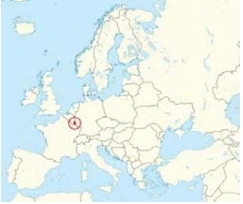
Q14. Which country is this?
×
A. Belgium
B. Luxembourg
C. Netherlands
D. Czech Republic
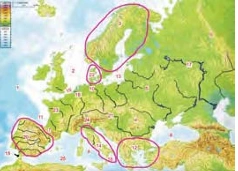
Q15. Which number is the Danube River?
×
A. 21
B. 16
C. 17
D. 10
Q16. What type of government did the United States have during the Cold War?
A. totalitarianism
B. communism
C. capitalism
D. democracy
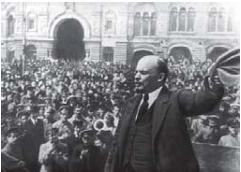
Q17. During which war led to hardships, starvation, and civil unrest that sparked the Russian Revolution?
×
A. World War 1
B. World War 2
C. Cold War
D. American Revolution
Q18. There is a separation of powers in a parliamentary system.
A. TRUE
B. FALSE
Q19. What city is headquarters for the EU &NATO?
×
A. Athens
B. Berlin
C. Brussels
D. London
Q20. Capital of Belgium
A. Brussels
B. Sprouts
C. Madrid
D. London
Q21. what are followers of Christianity called?
A. Muslims
B. Jews
C. Cristians
D. Yodoloyodoloyodoblypeople
Q22. Which was NOT a term of the Treaty of Versailles?
A. Reparations
B. Reduce Military
C. Lost land/colonies
D. Faced invasion
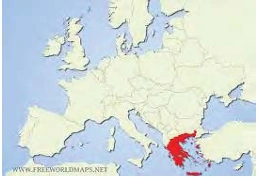
Q23. Match the highlighted country on the map.
×
A. Italy
B. Greece
C. Turkey
D. Switzerland
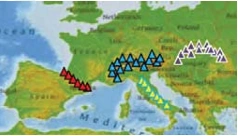
Q24. The mountains in Red areSS6G7
×
A. The Apennines
B. The Alps
C. The Carpathian Mountains
D. The Pyranees
Q25. How did the Black Plague spread ini tially?
A. Contact with infected people
B. Coughing
C. Bites from rats
D. Bites from rat fleas
Submitting Your Quiz...
Please wait while we process your answers