Select Category
All Categories
Accounting
Agriculture
Astrobiology
Banking & Finance
Business World
Civilizations
Commerce & Economics
Competitive exams
Computer Science & IT
Current affairs
Earth Science
Education
Environment
Explore the Animal World
Food chain
General Knowledge
Geography Map
Green Life
History
Human Health
Journalism
Law
Science
Social Science
TAX
About Us
Contact Us
Login
Food chain - Part 4
1
of
25
💡
Hints:
3
Q1. A plant is an example of a(n)
A. Consumer
B. Producer
C. herbivore
D. omnivore
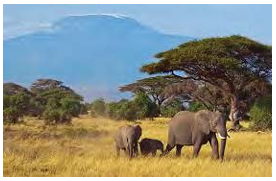
Q2. What is this in image?
×
A. Producer
B. Consumer
C. Neither
Q3. All individuals of the same species living together is called a
A. population
B. community
C. habitat
D. ecological niche
Q4. Which of these is an organism that does not depend on another living thing for food?
×
A. the Sun
B. an insect
C. a plant
D. an animal
Q5. How are primary consumers different from secondary consumers?
A. Primary consumers eat only plants; secondary consumers eat other consumers
B. Primary consumers eat other consumers; secondary consumers eat only plants
C. Primary consumers eat plants and other consumers; secondary consumers eat plants and decompose matter
D. Primary consumers eat plants and decompose matter; secondary consumers eat plants and other consumers
Q6. Animals that ONLY eat meat are called
A. Omnivores
B. Decomposer
C. Herbivore
D. Carnivore
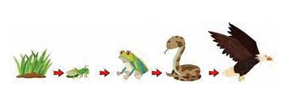
Q7. How many consumers are in the image above?
×
A. 1
B. 2
C. 3
D. 4
Q8. Which type of competition is with other species?
A. intraspecific
B. interspecific
Q9. Who is at the top of the food chain?
A. lions
B. frogs
C. Humans
D. chickens
Q10. Organisms that only eat meat are
A. omnivores
B. carnivores
C. herbivores
D. food chains
Q11. The rabbit, field mouse, and the deer are all
×
A. producer
B. primary consumer
C. secondary consumer
D. None of the above
Q12. What deos a decomposer do?
×
A. decomposers eat living organisms
B. decomposers break down living organisms
C. decomposers break down dead organisms
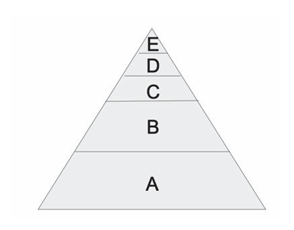
Q13. Looking at the image of a food pyramid layout, what letter best represents where you will find heterotrophs?
×
A. All of The Letters Listed Here
B. LETTER B
C. LETTER C
D. LETTER D
Q14. The grass that the mice eat contains energy. what is the source of energy for the grass?
×
A. Rainwater
B. The Sun
C. The soil
D. Minerals
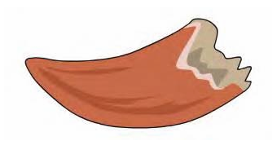
Q15. Fossil teeth can tell about what a dinosaur ate. What do you think this animal ate?
×
A. spiders
B. fruit
C. insects
D. meat
Q16. In a pond ecosystem, select the appropriate producers.
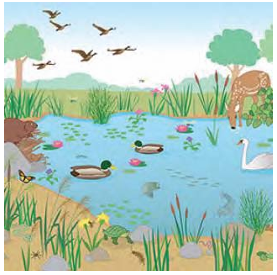
×
A. Algae
B. Grass
C. Cactus
D. A and B
Q17. The place where an organism lives is called
×
A. Community
B. Population
C. Habitat
D. Organisms
Q18. An oak tree losing its leaves during the winter is an example of
A. Hibernation
B. Homeostasis
C. Dormancy
D. Seed dispersal
Q19. Biomass refers to
A. Chemical Energy
B. Light Energy
C. Rank in the feeding heirarchy
D. Amount of living tissue at the tropic level
Q20. In food chains, what does the arrow represent?
A. The transfer of energy from one organism to the next
B. The flow of sunlight from one organism to the next
C. The movement of organisms
D. The transfer of plants
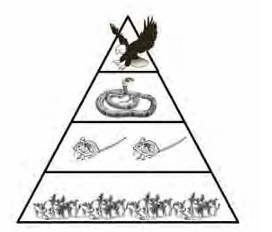
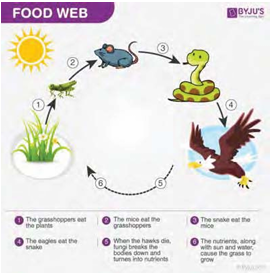
Q21. Look at the picture. What does the bird eat?
×
A. the snake
B. the mouse
C. the grasshopper
D. None of the above
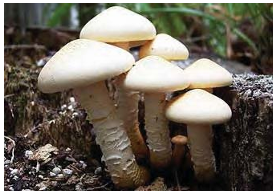
Q22. I am a fungus. I eat DEAD tree trunks. I am a
A. scavenger
B. decomposer
C. parasite
D. omnivore
Q23. Herbivores eat
A. plants and animals
B. plants only
C. animals only
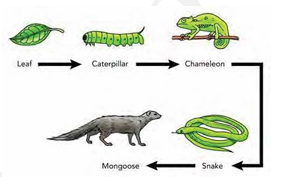
Q24. (See picture)Whichgof the following is the secondary consumer?
×
A. leaf
B. caterpillar
C. chameleon
D. snake
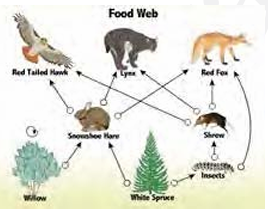
Q25. What may happen if thae snowshoe hare was removed from the food web pictured?
×
A. The insects in the habitat would increase.
B. The shrew population would decrease due to being only hawk food source.
C. The willow tree population would decrease.
D. Foxes would dies due to no food source.
Submitting Your Quiz...
Please wait while we process your answers