Select Category
All Categories
Accounting
Agriculture
Astrobiology
Banking & Finance
Business World
Civilizations
Commerce & Economics
Competitive exams
Computer Science & IT
Current affairs
Earth Science
Education
Environment
Explore the Animal World
Food chain
General Knowledge
Geography Map
Green Life
History
Human Health
Journalism
Law
Science
Social Science
TAX
About Us
Contact Us
Login
Biodiversity - Part 1
1
of
25
💡
Hints:
3
Q1. Vampire bat saliva is being developed into medicines by humans. What type of medicine is made from it?
A. heart medicine
B. antibiotic
C. pain reliever
D. medicine to unclog arteries
Q2. Prions and Viroid are also ___ in the f ive-Kingdom classification
A. Included
B. not included
C. semi included
D. All of them
Q3. any difference between individuals of the same species
A. variation
B. evolution
C. adaptation
D. fossil
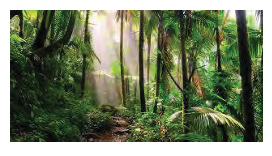
Q4. What is this?
×
A. Desert
B. Rainforest
C. Pond
D. Canopy
Q5. Which of the following will increase the size of a population?
A. emigration and births
B. immigration and births
C. immigration and deaths
D. emigration and deaths
Q6. Resources that can be replaced
A. Renewable Resource
B. Non-Renewable Resource
C. Natural Resource
D. Conservation
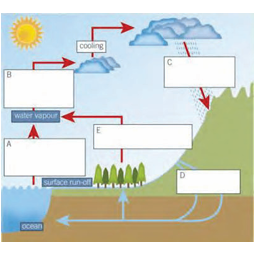
Q7. Which process represents precipitation?
×
A. A
B. B
C. C
D. D
Q8. A common way to measure biodiversity is to count the total number of ___ living within a particular area.
A. Animals
B. Plants
C. Species
D. Cute Puppies
Q9. which of the following produces large amounts of methane?
A. burning of fossil fuels
B. cattle farms
C. photosynthesis
D. respiration
Q10. A relationship between two species where one benefits while the other is harmed
A. Mutualism
B. Commensalism
C. Parasitism
D. Naturalism
Q11. The ability to conserve natural resources for use by future generations.
A. biodiversity
B. forestry
C. silviculture
D. sustainability
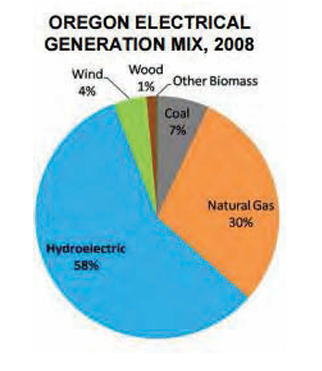
Q12. Where does the majority of electrical energy come from in Oregon?
×
A. Hydroelectric
B. Natural Gas
C. Wood
D. Wind
Q13. Organisms with the most beneficial traits will survive. This is commonly known as
A. theory of evolution.
B. variations
C. survival of the fittest.
D. ecosystems.
Q14. Which of the following is NOT typical of a keystone species?
A. it can shape and maintain habitats for other species
B. it can limit a dominant competitive species
C. it can have a relatively low abun dance
D. it is at the top of the food chain
Q15. Below shows the examples of non-flowering plants, EXCEPT
A. Moss
B. Fern
C. Hibiscus
D. Conifer
Q16. What are the three minerals found in fertilisers?
A. N, P, Ph
B. P, Ni, K
C. N, P, K
D. Po, Ni, Kh
Q17. What is the correct hierarchy of taxonomic groups, from largest to smallest?
A. family, genus, species, subspecies
B. genus, family, subspecies, species
C. genus, family, subspecies, species
D. genus, family, subspecies, species
Q18. based on IUCN red list , species that only exist in captivity can be categorized as ___
A. Extinct
B. extinct in the wild
C. critically endangered
D. endangered
Q19. Biodiversity is the variety of ___ in an ecosystem
A. genes
B. habitats
C. species
D. individuals
Q20. A measure of the variety of species in an area is called ___
A. genetic diversity
B. species diversity
C. ecosystem diversity
D. biodiversity
Q21. Why is biodiversity valuable and desirable to humans?
A. For medical purposes
B. For agricultural diversity
C. For consumptive uses
D. All of these are correct
Q22. What two factors decrease population size?
A. immigration, births
B. emigration, deaths
C. emigration, births
D. immigration, deaths
Q23. Which acronym represents the threats to biodiversity?
A. HIPPO
B. HIPPCO
C. HIPPA
D. HIPCA
Q24. anything in an experiment that can be changed
A. variable
B. question
C. property
D. argument
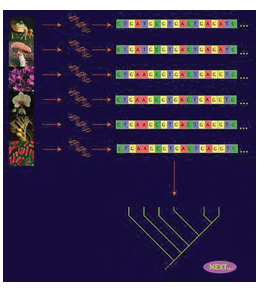
Q25. Two organisms that are closely related would have
×
A. very similar DNA sequence
B. exactly the same DNA sequences
C. no proteins in common
D. completely different DNA sequence
Submitting Your Quiz...
Please wait while we process your answers