Q1. Structures that are inherited from a common ancestor are homologous.
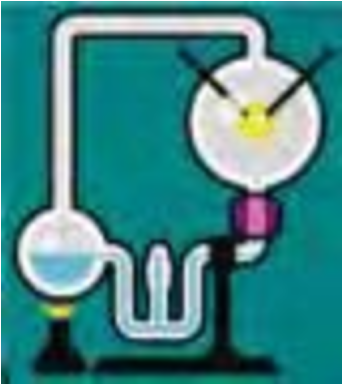
Q2. The illustration above depicts an ex- perimentconductedbyscientistsStan- ley Miller and Harold Urey. What were the electrical sparks supposed to mimick?
Q4. Which organisational tool allows you togroupandidentifyorganismsbased on similar traits?
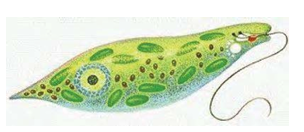
Q5. Into which Kingdom would you put this organism?

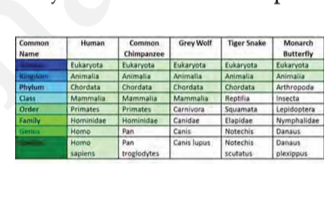
Q6. Which organism in the table is least closely related to the chimpanzee?
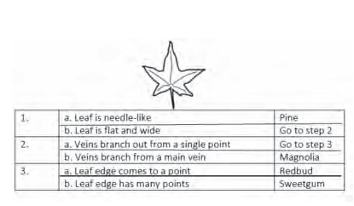
Q7. Which leaf is shown in the drawing?
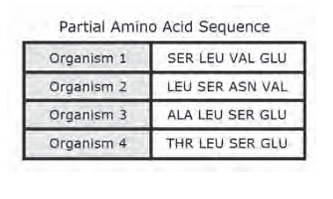
Q8. Scientists can determine relatedness among organisms by comparing par- tial amino acid sequences. The ta- ble shows four partial amino acid se- quences from four organisms.Which organism is the LEAST related to the other three organisms?
Q9. Animals are divided into the groups:
Q10. What is the variety of organisms con- sidered at all levels from populations to ecosystems?

Q11. Someorganismsthatshareacommonr ancestor have features that have differ- e ent functions, but similar structures. These are known as

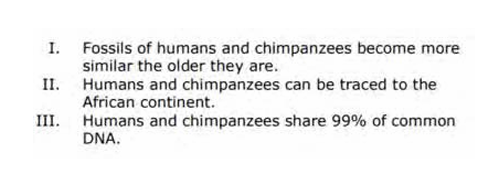
Q12. Which of the following is a support- ingfactthathumansandchimpanzees have a common ancestor?
Q13. Kingdom Monera has eukaryotic cell type
Q14. AlllifeonEarthcanbeclassifiedinto one of how many kingdoms?
Q15. Withinthe3domainsare6kingdoms: , , , , ,and
-
-
-
Q16. Taxonomy hierarchical classification consist of how many taxon?
Q17. In a cladogram, a ___ is the point where branches originate represent a common ancestor.
Q18. What kingdom is mostly unicellular and has the most diversity?
Q19. A place where an organism lives.
Q20. The illustration above depicts an ex- perimentconductedbyscientistsStan- ley Miller and Harold Urey. What was the product of the experiment?
Q21. A botanist discovers a new plant in the jungle. Which of thefollowineg ob- servations of the plant’s characteris- ticswouldbeusefulindetderminingits identity with a dichotomous key?
Q22. The method of grouping organisms into categories that represent lines of evolutionary descent is called
Q23. Nuclear membrane is absent in
Q24. In the levels of classification, what comes after phylum?