Q1. Who created the classification system we still use today?

Q2. The most general in the order of clas- sification is?
Q3. Give the answer.
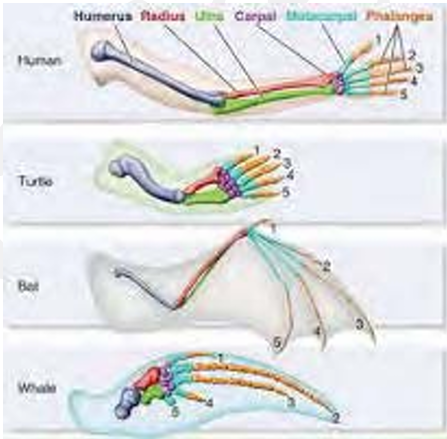
Q4. Some of the bacteria are ___, i.e., they synthesise their own food from inor- ganic substrates.
Q5. Scientists around the world use a standardized taxonomic system. Why would scientists want to use a taxo nomic system that is standardized?
Q6. Researchers studying populations of lizards from the genus Gallotia on the Canary Islands compared the protein cytochrome b in different populations. The table shows the number of dif ferences in the cytochrome b protein between different populations.Which conclusion about the relatedness of the lizards do these data support?

Q7. The species name is just?
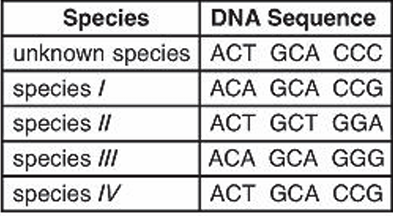
Q8. Based on the data in the table above, the unknown bacterial species is most closely related to which of the follow- ing species?
Q9. What does the "Spaghetti" stand for y in the mnemonic device for the hier- archy of organisms?
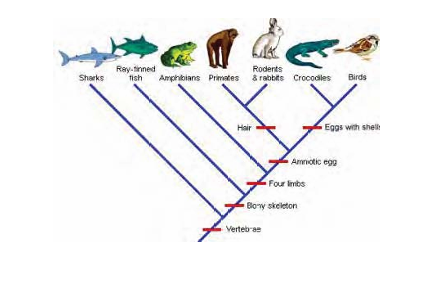
Q10. According to this cladogram, birds are LEAST related to:
Q11. This kingdom is filled with single- celled eukaryotes that usually live in water.
Q12. What is the least common character- n istic that the organisms share? a h C

Q13. ___ Earlyclassificationtendedtotakeinto account primarily
Q14. Prokaryotes whose cells walls contain peptidoglycan.
Q15. Heart is ventral in Chordates
Q16. Which of the following is an example of a vertebrate animal?
Q17. Give the answer.

Q18. What is the system that uses the two- part name?
Q19. Which of the above images shows bacillus bacteria?

Q20. ___ broadened Aristotle’s system and formalized it into a scientific system.
Q21. Which levels of hierarchy form the scientific name?
Q22. The 2-part naming system developed by Linneus is known as:
Q23. Give the answer.
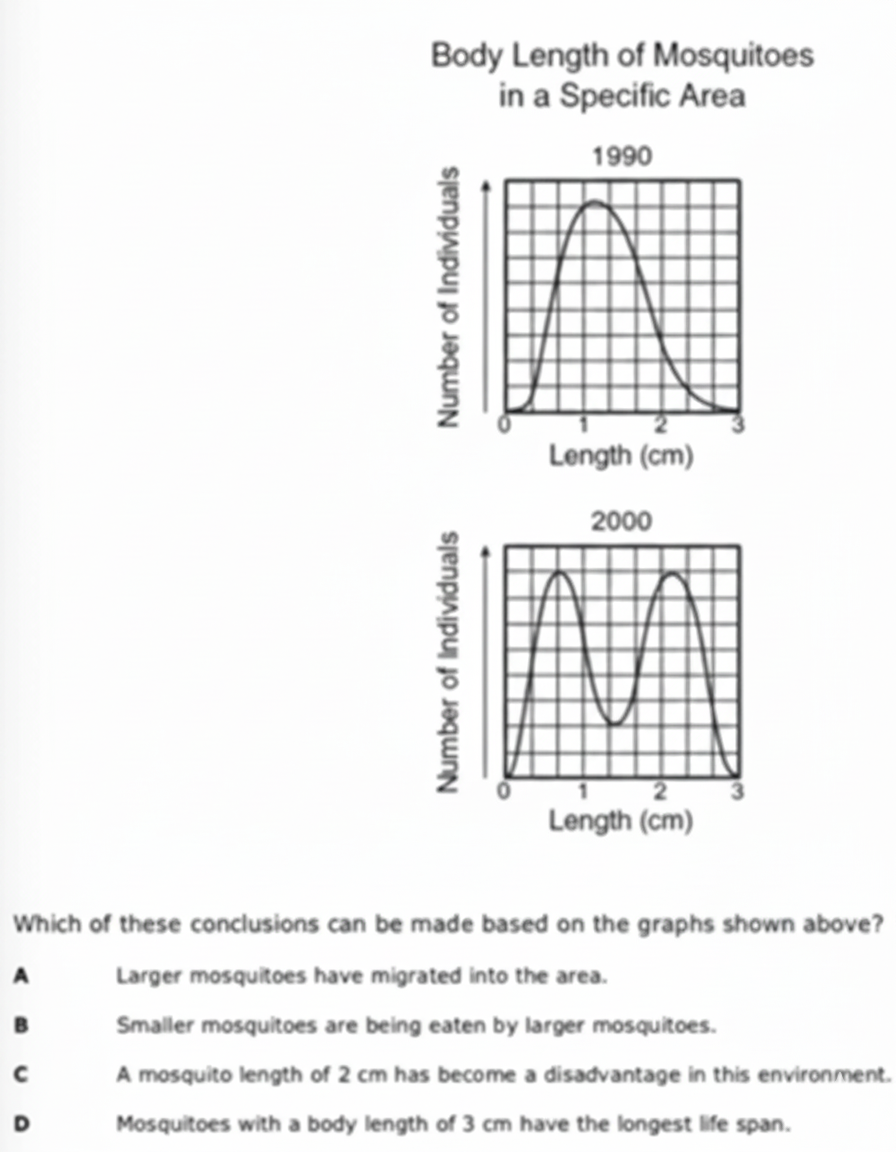
Q24. Members of this kingdom live in un- usual conditions such as deep ocean trenches or volcanoes
Q25. Pick up the wrong statement.