Q1. Which of the following organisms is considered a decomposer?
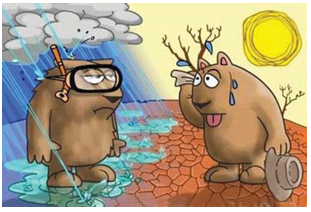
Q2. the usual weather conditions of an area
Q3. What do the arrows represent in a food chain?
Q4. All living things need this to survive
Q5. People adapt to the hot climate by
Q6. What is the fastest growing Religion in Europe today?
Q7. What is the definition of Abiotic factors?
Q8. Which of the following is NOT a Natural Resource?
Q9. Evolution can be described as
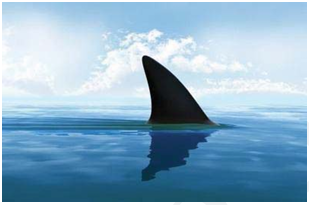
Q10. What is this organ called?
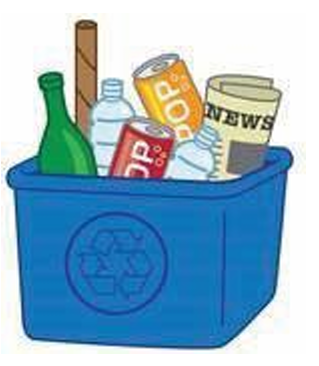
Q11. What do you call the processing of used materials and their reuse?
Q12. What physical characteristic is shared by all forests?
Q13. Put a checkmark to the places where we can find water.

Q14. Which is the initial source of energy in most ecosystems?
Q15. Which of the following, found ONLY in plant cells, provides structure?
Q16. To process used objects so that they can be used again.
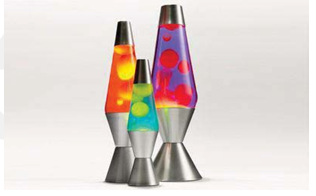
Q17. This is a lava lamp. When the light bulb heats the wax, the wax rises. When the wax cools, it falls. This cycle of rising/falling is an example of:
Q18. Renters insurance covers
Q20. What is an advantage of nuclear energy?
Q21. CITES and Kyoto protocol are examples of what designed to protect the environment
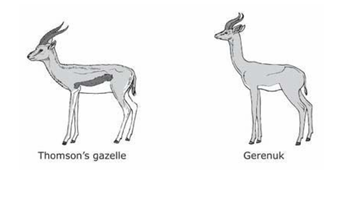
Q22. Many types of grazing animals live in Africa. The pictures show two of these animals that have about the same mass and height at the shoulder. Based on observations of the pictures of these animals, which statement describes an advantage that only one of these animals has in obtaining food? (5.10A)
Q23. What are the three R’s of the environment?

Q24. A (n) ___ is the place where an organism lives.
Q25. In which of the following biomes would you expect to find giraffes, acacia trees and lions?