Q1. Dr. Cubbin decides that she would like to see more plant life being grown around Bay Academy. He goes out to the back of the school and has some of his science students start cultivating (digging up) the land to use to plant some crops.
Q3. ___ refers to underground layers of rock that are saturated with water that can be brought to the surface through natural springs or by pumping.
Q4. Huge factories emit poisonous substances into the air and water.
Q5. What are three nonliving things that determine the kids of plants and animals that can live in an ecosystem are sunlight, soil, and
Q6. A graphic representation designed to Nshowthenumberoforganismsateach tropic level in a given ecosystem is called?
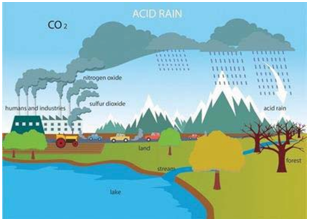
Q7. Acid Rain has multiple negative effects on the environment, but what does it do that effects our clean air?
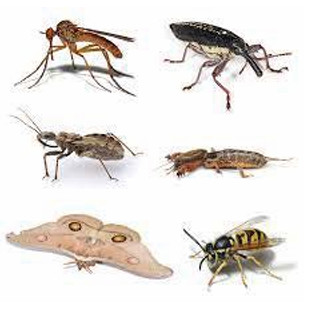
Q8. Which is not an insect?
Q9. a ___ of soda C
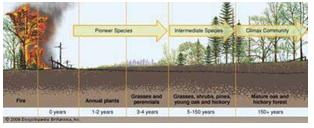
Q10. The picture shows what type of succession?
Q11. Select the correct answer from each drop-down menu.Which is a step of thescientificmethodinenvironmental science? ___ is a step in the scientific method. The step that follows this step involves forming a
Q12. What will organisms compete for in an environment?
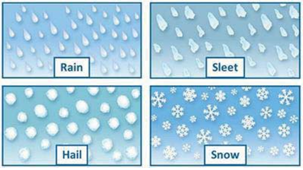
Q13. Where is precipitation usually the greatest?
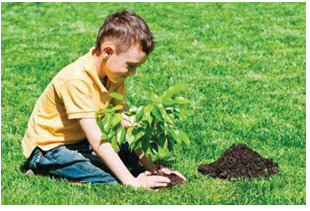
Q15. Allam ___ plant trees.
Q16. Energy-efficient vehicles and appliances use
Q17. ___ is the study of relationship between living thing and environment.
Q18. Conservation is
Q19. What type of water pollution can occur when sulfur dioxide gets into the Earth’s atmosphere?
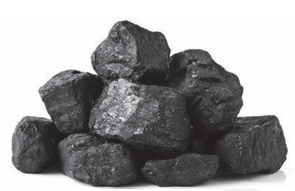
Q20. a hard, black substance that is dug from the earth in pieces, and can be burned to produce heat or power, or a single piece of this
Q21. How much of Mars’ surface is covered by water/ice
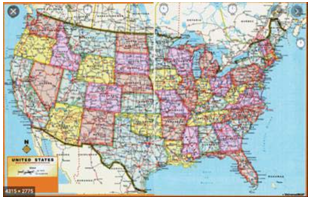
Q22. Is this a large or small scale map?
Q23. In a food web, what would a chipmunk be?
Q24. Heavy rainfall causes
Q25. ___ is an example of a stimulus.