Q1. Weathering erosion and deposition all
contribute In the formation of a cave.
Q2. Hurricanes will become stronger and
more intense
Q3. What is the best way to survive an
Earthquake?
Q4. Which of the following most likely
caused the changes in the location
below?
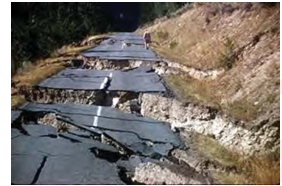
Q5. Something that can prove or disprove
an idea or theory
Q6. Sand, particles of rock, bits of soil
and remains of once living things is
called:
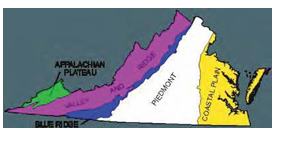
Q7. The Appalachian Plateau is the best
place in Virginia to find -
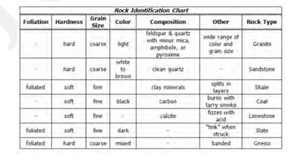
Q8. Which type of rock is hard, brown,
and non-foliated?
Q9. All rocks are made up of one or more.
Q10. An animal with a backbone.
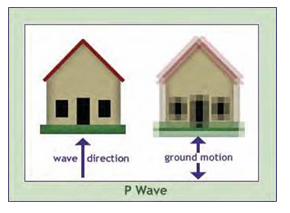
Q11. These seismic waves are slower and
arrive last but causes severe damage:
Q12. Which Virginia province is seen on
this map?
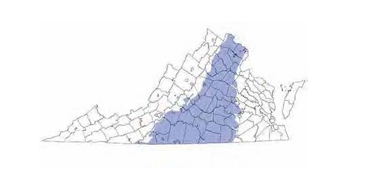
Q13. Which layer of the earth makes up
most of its mass?
Q14. An exact replica of the original organism or part of the organism that was
once living
Q15. What is it called when sediment, after being carried, gathers to a FINAL
location and settles down?
Q16. This type of boundary will create a
Rift Valley
Q17. A rock containing iron is soft,
crumbly, reddish in color. It’s been
chemically weathered by ___
Q18. Which of the following would be a
good lining (so things can’t leak out)
for a landfill or man made pond?
Q19. Novae have been found on
Q20. Igneous rocks that formed beneath
Earth’s surface are
Q21. Rocks that formed near volcanoes
from molten rock are
Q22. The Great Rift Valley in Africa occurs
on land at this plate boundary.
Q24. What is the name given to the part
of the Earth where living things are
found?
Q25. Breaks in rock that are created by
stress of moving plates are called?