Computer Networking
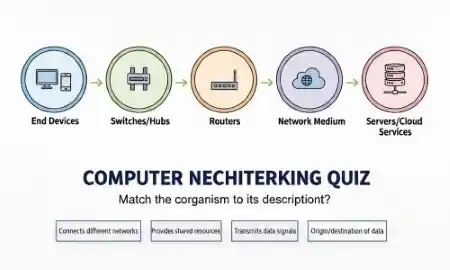
Computer Networking is the practice of connecting two or more computing devices — such as computers, servers, smartphones, and other digital devices — to share resources, exchange data, and communicate with each other efficiently and securely. It forms the foundational infrastructure of the modern digital world, enabling everything from simple file sharing between office computers to the global flow of information across the internet. Computer networking is a critical field within information technology, underpinning communication systems, cloud computing, e-commerce, online education, and virtually every aspect of the digital economy. Computer networks are classified based on their scale and geographical coverage. A Local Area Network (LAN) connects devices within a limited area such as a home, office, or school, while a Wide Area Network (WAN) spans large geographical regions, connecting cities or even countries. Metropolitan Area Networks (MANs) cover city-wide connections, and Personal Area Networks (PANs) are designed for short-range device connections. The internet itself is the largest WAN in existence, connecting billions of devices worldwide. Networks can be wired — using Ethernet cables and fiber optics — or wireless, using Wi-Fi, Bluetooth, or cellular technology. Network topologies such as star, bus, ring, and mesh define the physical or logical arrangement of connected devices. Fundamental networking concepts include the OSI (Open Systems Interconnection) model and the TCP/IP protocol suite, which define the standards and rules governing data transmission across networks. Key networking components include routers, switches, hubs, firewalls, and modems, each serving specific roles in directing and managing data traffic. Network security is a critical aspect of computer networking, involving measures such as encryption, firewalls, virtual private networks (VPNs), and intrusion detection systems to protect data from unauthorized access and cyberattacks. As the world moves toward 5G connectivity, the Internet of Things (IoT), and cloud-based infrastructure, computer networking continues to evolve rapidly. A solid understanding of computer networking is essential for IT professionals, cybersecurity experts, and software engineers operating in today's hyper-connected digital environment.
Explore the fundamentals of computer networks, including protocols, IP addressing, routing, LAN, WAN, and network security. Learn how devices communicate and share data across networks. This category strengthens understanding of modern digital communication systems.
Computer Networking - Part 1
Computer Networking - Part 2
Computer Networking - Part 3
Computer Networking - Part 4
Quiz Format & Structure
Each quiz is designed to comprehensively test your knowledge on the selected topic. Here's what you can expect:
Tips for Success
1. Read Questions Carefully
Take your time to read each question thoroughly. Since there's no time limit, make sure you understand what's being asked before selecting an answer.
2. Eliminate Wrong Options
If you're unsure, try eliminating options you know are incorrect. This increases your chances of selecting the right answer.
3. Don't Second-Guess Too Much
Your first instinct is often correct. While you should be careful, avoid changing answers unless you're certain you made a mistake.
4. Review Before Submitting
Before hitting submit, review all your answers to ensure you haven't accidentally skipped any questions or made careless mistakes.
5. Learn from Mistakes
After viewing your results, take time to understand why you got certain questions wrong. This helps improve future performance.
6. Take Multiple Attempts
Don't worry about getting everything right the first time. Taking quizzes multiple times helps reinforce your knowledge.
Explore More SubCategories Computer Science & IT
Explore more subcategories and test your knowledge!
Embedded Systems
Learn about specialized computing systems designed to perform dedicated functions within devices. Study microcontrollers, sensors, real-time operations, and hardware-software integration. This category explains how smart devices and automation systems work.
Computer Architecture
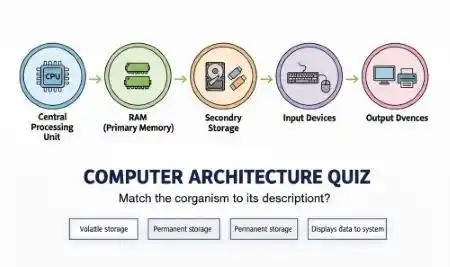
Study the design and structure of computer systems, including CPU, memory, input-output devices, and instruction sets. Learn how hardware components interact to execute programs efficiently. This category builds strong foundational knowledge of system-level computing concepts.
Computer Organization
Understand the internal working of computer hardware, including data representation, control units, memory hierarchy, and processor operations. Learn how components coordinate to process instructions. This category supports deeper knowledge of computer system functionality.
DBMS
Understand how databases are designed, managed, and secured. Learn about SQL, data models, normalization, transactions, and indexing. This category strengthens knowledge of storing and retrieving data efficiently.