Select Category
All Categories
Accounting
Agriculture
Astrobiology
Banking & Finance
Business World
Civilizations
Commerce & Economics
Competitive exams
Computer Science & IT
Current affairs
Earth Science
Education
Environment
Explore the Animal World
Food chain
General Knowledge
Geography Map
Green Life
History
Human Health
Journalism
Law
Science
Social Science
TAX
About Us
Contact Us
Login
Nutrition and Minerals - part 3
1
of
25
💡
Hints:
3
Q1. Ifweweretoburnanimalfeed, which nutrient is left over?
A. Carbohydrates
B. Vitamins
C. Minerals
D. Fats
Q2. Sugars that occur naturally in some foods, including fruit, maple syrup, and dairy products are
A. complex carbohydrates
B. simple carbohydrate
C. glycogen
D. cholestrol
Q3. What are the cells in layer C called?
×
A. vascular bundle
B. stomata
C. palisade mesophyll
D. spongy mesophyll
Q4. Fat is completely digested in the
A. small intestine
B. stomach
C. mouth
D. large intestine
Q5. A plant or animal that gets its energy (food) from other living things is called:
A. Decomposers
B. Consumers
C. Carnivores
D. Herbivores
Q6. The Nutrition Facts given on a food label are based on the
A. Serving size
B. Date the food was made
C. Relative size of the person eating the food
Q7. These cells uptake fatty acdids directly from the blood stream
A. hepatocytes
B. brown adipocytes
C. white adipocyte
D. All Above
Q8. Which of the following is an example of insectivorous plant ( you can select more than 1 option )
A. Mycellium
B. Venus flytrap
C. Sundew
D. B and C
Q9. A substance in foods that our body needs to regulate bodily functions, promote growth, repair bodily tissues,and obtain energy
A. Trans Fat
B. Proteins
C. Amino acids
D. Nutrients
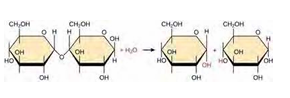
Q10. The reaction is an example of
×
A. condensation.
B. oxidation.
C. hydrolysis.
D. hydrogenation.
Q11. The roots of plants take up nitrates from the soil.What are the nitrates used to make?
A. fat
B. glucose
C. protein
D. starch
Q12. ___ work from a compliance perspechtive to ensure the company meets safety and quality standards.
A. Chefs
B. Head chefs
C. Quality assurance managers
D. Food product developers
Q13. A serving of BREAD looks like
×
A. Your whole hand
B. Your palm
C. Both hands together
Q14. Which one of the following is true of enzymes?
A. Enzymes are carbohydrates.
B. Enzymes slow down chemical reactions.
C. Enzymes are chemically changed at the end of the experiment.
D. Enzymes help to break down large particles of food into smaller particles.
Q15. Which of these should you drink everyday?
A. Milk
B. Water
C. Orange juice
Q16. Which of the following statements a is/are correct?(i) All green plants can prepare their own food. (ii) Most aniy mals are autotrophs. (iii) Carbon dioxide is not required for photosynthesis. a (iv) Oxygen is liberated during photosynthesis.Choose the correct answer r from the options below: Aa. (i) and (iv)
A. (i) and (iv)
B. (ii) only
C. (ii) and (iii)
D. (i) and (ii)
Q17. Lichens are symbiotic association of
A. algae and fungi
B. algae and plants
C. plants and animals
D. None of the above
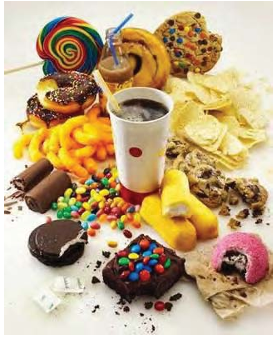
Q18. When should this food be eaten?
×
A. Always
B. Never
C. Every now and then
D. Weekly
Q19. What is the ultimate source of energy for all living organisms?
A. Wind Energy
B. Solar Energy
C. Water Energy
D. Chemical Energy
Q20. Too much fat cannot cause blockage of blood flow to your heart.
A. True
B. False
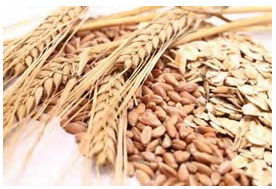
Q21. Which of these gives you energy and is in grains.
×
A. Carbohydrates
B. Proteins
C. Fats
Q22. Astrawberryfarmerfindsthat,aftera hard freeze, some of his strawberries are still alive. Which best explains why these strawberries were able to survive?
A. They have larger leaves to protect the fruit than the other strawberries.
B. They have different genetic variations that cause them to be more resistant to cold temperatures.
C. They are able to reproduce more quickly than the other strawberries.
D. The color of the strawberries is darker, and they maintain their tem perature better than other strawber ries.
Q23. Most of our body’s iron is stored in this organ.
A. Pancreas
B. Heart
C. Small Intestine
D. Liver
Q24. Cream cheese is part of which food group?
A. none, it’s mostly fat.
B. dairy
C. protein
Q25. Ingestion
A. heterotrophic
B. autotrophic
Submitting Your Quiz...
Please wait while we process your answers